
Please wait while we redirect you to our new nursery page.
Apace Revegetation Nursery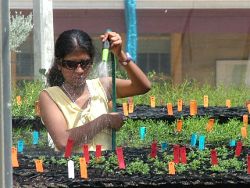
The Apace Community Revegetation Nursery specialises in the supply of locally occurring Native Western Australian flora species of the Swan Coastal Plain and Darling Range. Established in 1989, Apace was the first nursery in WA dedicated to supplying exclusively local native species for revegetation and landscaping projects throughout the Perth metropolitan region.
The nursery was also the first to grow and supply locally occurring rushes and sedges for wetland revegetation projects.
Apace is accredited with the Nursery Industry Accreditation Scheme of Australia and all stock is grown under strict hygienic conditions. The nursery currently produces more than half a million plants and provides a selection of two hundred and sixty different species.
The nursery is open to the general public for native plant sales. Visitors can browse through our self-service section or get assistance from our experienced nursery staff.
3 Easy Steps to Find Your local native Western Australian plants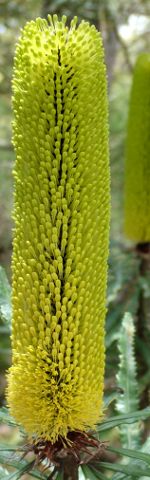
Apace has continually promoted the use of local native Western Australian plants through the freely available Revegetation Guides of the Swan Coastal Plain and Darling Range, first published in 1992. To use these guides you need to first determine the vegetation complex [soil type] into which you will be planting. Follow these 3 Easy Steps:
- Use the map to locate the vegetation complex name for your area; or
- Check the suburb finder for your vegetation complex; then
If there is more than one vegetation complex in your suburb you will need to consult the map to determine which one is closest to your planting location - Consult the selected revegetation guide for species that are local to your area; and
If you want to find out more information on any species simply select that species
You can also filter by habit which will list your plants according to height under trees, shrubs, herbs (non woody plants) and climbers.
Next you can sort your plants by flowering seasons to ensure that you have colour in the garden all year round.
Lastly you can sort your plant list according to species that inhabit wetlands, have some shade tolerance, bush tucker plants and bird and butterfly attracting plants.
